Wires and Cables Suppliers in Hyderabad
Wires and Cables


Wires and Cables Suppliers in Hyderabad
Finding reliable wire and cable suppliers in Hyderabad is important for residential, commercial, infrastructure, and industrial electrical projects. Quality wires and cables help ensure safe power transmission, efficient electrical performance, durability, and reliable operation of electrical systems. From house wiring wires and flexible cables to armoured power cables, solar cables, control cables, and communication cables, Hyderabad has suppliers serving a wide range of electrical requirements.
When purchasing wires and cables, buyers should consider conductor material, cable size, insulation, voltage rating, application, safety standards, durability, and project requirements. Working with an experienced supplier might also make it easier to acquire the proper products in required quantities and standards.
What Are Wires and Cables?
Wires and cables are electrical conductors designed to carry electricity or transmit signals from one point to another. A wire generally consists of a single conductor, while a cable can contain one or multiple insulated conductors enclosed within protective layers.
Electrical wires and cables are manufactured using conductive materials such as copper or aluminium, combined with insulation and protective coverings suitable for specific applications. Their construction varies according to voltage, temperature, mechanical protection, environmental conditions, and intended use.
Reliable wires and cables are essential for electrical distribution, machinery, control systems, telecommunications, renewable energy installations, and building wiring.
What Types of Wires and Cables Are Available in Hyderabad?
House Wiring Wires
House wiring wires are designed for residential electrical installations, including lighting, fans, sockets, switches, appliances, and other domestic electrical loads. These wires are generally insulated and available in different conductor sizes according to the electrical load and installation requirements.
When choosing house wiring wires, buyers should consider conductor quality, insulation, current-carrying capacity, flexibility, temperature rating, and applicable safety standards.
Flexible Wires and Cables
Flexible wires and cables are designed for applications where regular movement, bending, or flexibility is required. They are commonly used for electrical appliances, equipment, control panels, machinery, temporary connections, and other installations.
Their flexible construction allows easier routing and installation, particularly in areas where rigid cables may be difficult to manage.
Power Cables
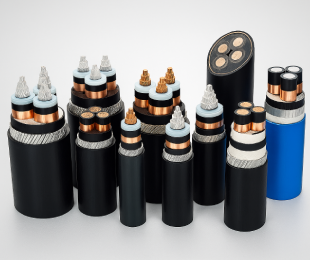
Power cables are used for transmitting and distributing electrical power across residential, commercial, infrastructure, and industrial applications. They are available in different conductor sizes and voltage ratings to suit various electrical distribution requirements.
Power cables may be used for electrical panels, distribution systems, machinery, buildings, and industrial installations. Selecting the correct cable size according to the expected load is essential for safe and efficient operation.
Armoured Cables
Armoured cables contain an additional protective layer designed to provide mechanical protection. They are commonly used for installations where cables may be exposed to physical stress, underground installation conditions, or other demanding environments.
Armoured cables are widely considered for industrial facilities, commercial buildings, infrastructure projects, power distribution systems, and outdoor electrical installations.
Control and Instrumentation Cables
Control and instrumentation cables are used to transmit control signals and measurement information between electrical or industrial equipment. They are commonly found in automation systems, control panels, manufacturing plants, process industries, and instrumentation applications.
The appropriate cable should be selected according to signal requirements, environmental conditions, shielding needs, conductor configuration, and installation conditions.
Solar Cables
Solar cables are specially designed for photovoltaic and renewable energy installations. They connect solar panels with other components of a solar power system and are designed to withstand outdoor conditions.
Important considerations include resistance to sunlight, temperature variations, moisture, and environmental exposure. Selecting cables specifically designed for solar applications helps support reliable photovoltaic system operation.
Communication and Data Cables
Communication and data cables are used for transmitting voice, digital information, networking signals, and other communication data. They are used in offices, commercial buildings, educational institutions, data networks, security systems, and communication infrastructure.
Depending on the application, buyers may require different cable categories and specifications based on transmission requirements, network architecture, installation environment, and distance.
Where Can You Find Wires and Cables Suppliers in Hyderabad?
Hyderabad has a well-developed electrical products market serving residential construction, commercial projects, manufacturing facilities, infrastructure development, automation, and renewable energy applications. Wires and Cables Suppliers in Hyderabad can be found through electrical product distributors, authorized dealers, wholesale markets, manufacturers, and specialized electrical suppliers.
For larger projects, buyers may prefer suppliers that can provide bulk quantities, technical specifications, product documentation, consistent supply, and delivery support. Businesses can also evaluate providers based on their product range and experience serving similar applications.
Before placing an order, it is useful to confirm product availability, specifications, quantity, pricing, warranty terms, delivery schedules, and applicable certifications.
How to Choose the Right Wires and Cables Supplier
Choosing the proper provider includes more than comparing pricing. Consider the following:
Product range: Check whether the supplier offers the required types, sizes, and specifications.
Product quality: Verify conductor quality, insulation, construction, and applicable standards.
Technical support: A qualified provider can assist find acceptable products for specific applications.
Availability: Confirm whether the required products are readily available.
Bulk supply capability: Large projects may require consistent supply over an extended period.
Documentation: Check whether technical datasheets, test certificates, and other relevant documents are available.
Delivery: Evaluate delivery timelines and service coverage.
After-sales support: Consider warranty and product support policies.
Pricing: Compare quotations while considering quality, specifications, and overall value.
A supplier with suitable products, dependable service, and consistent quality can simplify electrical procurement.
Factors to Consider Before Buying Electrical Wires and Cables
Before purchasing electrical wires and cables, evaluate the following factors:
Conductor Material: Copper and aluminium have different electrical and physical characteristics. Select the material according to the project requirements.
Cable Size: The conductor size should be appropriate for the expected electrical load and installation conditions.
Voltage Rating: Ensure that the selected cable is suitable for the system voltage.
Insulation: The insulation material should match the operating temperature, environment, and application.
Current-Carrying Capacity: Cable selection should account for the required current and installation conditions.
Installation Environment: Indoor, outdoor, underground, wet, high-temperature, and industrial environments may require different cable constructions.
Mechanical Protection: Armoured or specially protected cables may be appropriate where additional mechanical protection is required.
Standards and Certifications: Verify relevant Indian or applicable international standards and certification requirements for the intended application.
Length and Quantity: For large projects, accurate quantity planning can reduce wastage and procurement delays.
Copper vs Aluminium Cables
Copper and aluminium are commonly used conductor materials, but they differ in properties and applications.
Copper cables generally offer high electrical conductivity, good mechanical strength, and flexibility. They are widely used in building wiring, electrical panels, equipment connections, and various power applications.
Aluminium cables are lighter and can provide a practical option for certain power distribution applications. They are often considered where weight and project economics are important factors.
The appropriate choice depends on factors such as electrical load, cable size, installation requirements, budget, connection design, and project specifications. Rather than selecting a conductor solely based on price, buyers should choose according to the requirements of the electrical system.
Wires and Cables for Residential, Commercial and Industrial Applications
Different projects require different cable specifications.
Residential Applications: House wiring wires, flexible wires, appliance cables, and other electrical wiring products are commonly required for homes and residential buildings.
Commercial Applications: Offices, retail spaces, hotels, hospitals, educational institutions, and other commercial facilities may require power cables, control cables, communication cables, and building wiring products.
Industrial Applications: Manufacturing plants, automation facilities, warehouses, processing units, and infrastructure projects can require power cables, armoured cables, control cables, instrumentation cables, flexible cables, and specialized electrical products.
Selecting cables based on the specific application helps support electrical safety, performance, and long-term reliability.
Bulk and Wholesale Wire and Cable Purchasing in Hyderabad
Bulk purchasing can be useful for contractors, electrical companies, builders, infrastructure developers, manufacturers, and project procurement teams. Wires and Cables Suppliers in Hyderabad serving wholesale customers may provide larger quantities according to project specifications.
For bulk orders, buyers should prepare a detailed requirement including cable type, conductor material, cross-sectional area, voltage rating, insulation type, length, quantity, and application.
It is also important to compare quotations from suppliers based on equivalent specifications. A lower price does not necessarily represent better value if the product specifications, quality, documentation, or service differ.
For recurring requirements, businesses can also discuss scheduled deliveries and supply arrangements with their chosen supplier to maintain project continuity.